
Chiropractor for Herniated Discs

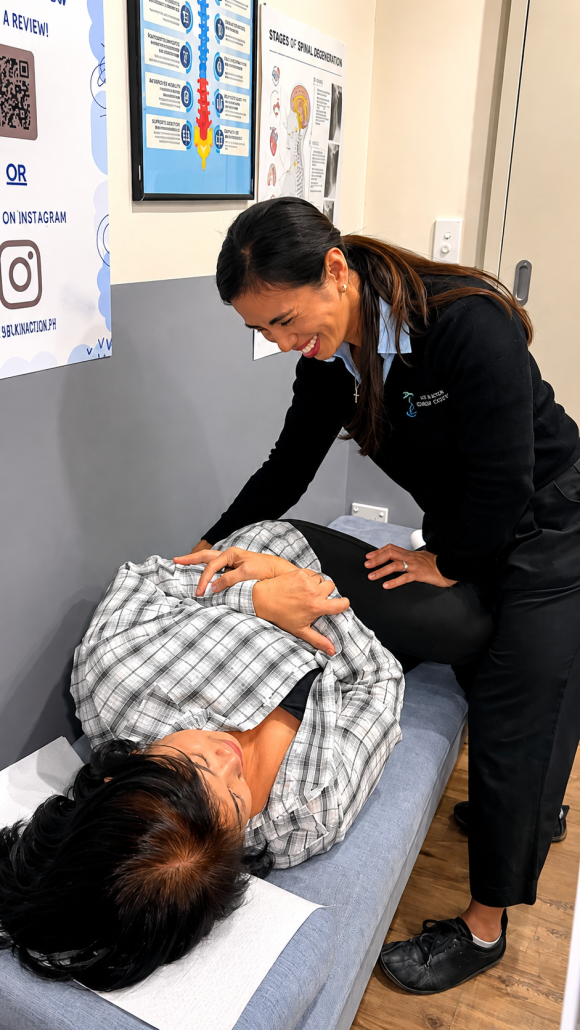
Chiropractors Can Help
Author: Dr. Paula Basilio (Chiropractor) B.Chiro.Sci (Macq), M.Chiro (Macq)
Welcome to My Back Relief Clinic! Thankfully, seeing a chiropractor may help in some cases of herniated discs. Let us assist you in managing your symptoms and enhancing your quality of life.
- Rated 5/5
- 20+ Years Experience
- 2,000+ Patients Helped
- Dulwich Hill

Can a Chiropractor Help With Bulging/Slipped Discs?
Disc bulges, also commonly known as a slipped disc, bulging or protruding disc, can happen anywhere in the spine. This most commonly can happen in the low back, irritating nerves causing sciatic type pain (that is, pain down the legs). They may also happen in the neck and pinch the nerves there, causing pain going down the arm. Find out how chiropractors may help with herniated discs.
What Are The Symptoms of a Disc Bulge?
Often people may experience the following symptoms associated with a herniated disc:
- Pain
- Numbness/Tingling
- Burning sensation
- Muscle weakness
- Extreme cases, changes in bowel and bladder.
What Causes a Disc Bulge/Herniation?
Micro Trauma
In this case disc bulges happen because of smaller forces placed on the back over prolonged periods of time. The typical example of this is being in a job that requires you to sit down for hours at a time.
Over time, long periods of sitting causes the disc to slowly thin and can compress/ irritate nearby nerves. Unfortunately this type of injury is a slow process, most people don’t realise they have a disc bulge until the late stages when it starts to give them nerve pain.
Sudden Load
This happens due to a sudden big event causing trauma to the spine. This may be due to doing a 200kg deadlift, or falling from a snowboarding accident. Because the discs are the shock absorbers of the spine, this sudden event can cause the fibres holding the disc together to tear and cause pain.
Genetic Factors
Unfortunately you can inherit weak discs or spinal canals that are smaller than the normal. This factor is minor compared to the environmental factors effecting the discs.
What About a Disc Herniation?
A disc bulge is one of the early signs of spinal disc degeneration. A disc herniation can be caused by a disc that continues to bulge, due to ongoing stressors. The herniation occurs when the inner, jelly-like centre pushed out through the outer ring. This event may lead to compression or irritation to the nearby nerve roots, leading to a range of painful symptoms.
How is a Disc Bulge Diagnosed?
Your Chiropractor or General Practitioner will suspect a disc bulge based on the history of your pain and signs during a physical examination. Your practitioner may refer you for further images to confirm a diagnosis. The gold standard of visualising the discs in the back is an MRI. An X-ray is not great at visualising the discs, but can still be used to see the thing of discs or arthritic changes around the spine that may also be contributing to your symptoms.
Chiropractic and Disc Bulges
Chiropractors deal with patients suffering from disc bulges on a daily basis. Depending on the type and severity of the disc bulge, treatment may range from the use of adjustments, mobilisations, rehabilitation exercises, massage and stretches to manage the pain and increase the function of the unhealthy joints that caused the disc bulge in the first place.
One study, published in The Spine Journal, concluded that:
Active manipulations have more effect than simulated manipulations (placebo treatment) on pain relief for acute back pain and sciatica with disc protrusion.
Disc FAQs
Surgery is generally the last option. Conservative, non-invasive care, such as chiropractic, exercise and activity modification, is usually recommended first. If a reasonable trial of conservative care doesn’t help, we’ll refer you to your GP or a spinal specialist for further assessment.
Important: If you have new changes in bladder or bowel control, numbness around your groin or inner thighs, or rapidly worsening leg weakness, go to your nearest emergency department straight away.
How to get a slipped disc back in place?
Despite the name, a disc doesn’t actually “slip” out of place. Discs are firmly attached to the vertebrae above and below them. A “slipped disc” usually means the disc has bulged or herniated, which can irritate nearby nerves. Rather than pushing the disc back, care focuses on reducing that irritation, improving how the spine moves and supports itself, and changing the everyday loads that contributed to the problem. Many disc bulges settle significantly over time with the right management.
For many people, yes. Gentle walking keeps you moving, supports circulation to the spine and is often better than prolonged sitting or bed rest. Start with short, comfortable walks on flat ground and build up gradually. If walking noticeably increases leg pain, numbness or tingling, stop and let your chiropractor know so we can adjust your plan.
Yes. Some activities can aggravate a disc, especially heavy or repeated bending and lifting, twisting under load, and sitting for long periods without breaks. Pushing through sharp or spreading pain is also not recommended. Avoiding all movement doesn’t help either. The goal is to stay active within comfortable limits while avoiding the movements that flare you up. Your chiropractor can show you which positions and activities suit your case.
It depends on the person. Some disc bulges settle on their own, while others continue to cause pain, stiffness or nerve symptoms such as sciatica, especially if the habits and loads that caused them don’t change. Ongoing disc stress is also associated with faster wear and tear in the spine over time. Getting properly assessed early helps you understand what’s going on and what you can do about it.
Every case is different. Recovery depends on the size and location of the bulge, how long you’ve had symptoms, your age, your general health and your daily activities. Some people notice improvement within a few weeks, while others need several months of care. After your initial assessment, we’ll explain what we found and give you a realistic plan and timeframe for your situation in your Health Action Plan.
Chiropractor for Herniated Disc
If you’re looking to see a chiropractor for disc problems, get in touch with our clinic today.
Reference
[1] Chiropractic manipulation in the treatment of acute back pain and sciatica with disc protrusion: a randomized double-blind clinical trial of active and simulated spinal manipulations
Santilli, Valter et al. The Spine Journal , Volume 6 , Issue 2 , 131 – 137. URL: http://www.thespinejournalonline.com/article/S1529-9430(05)00833-8/abstract