
Chiropractor for Osteoarthritis and Joint Pain

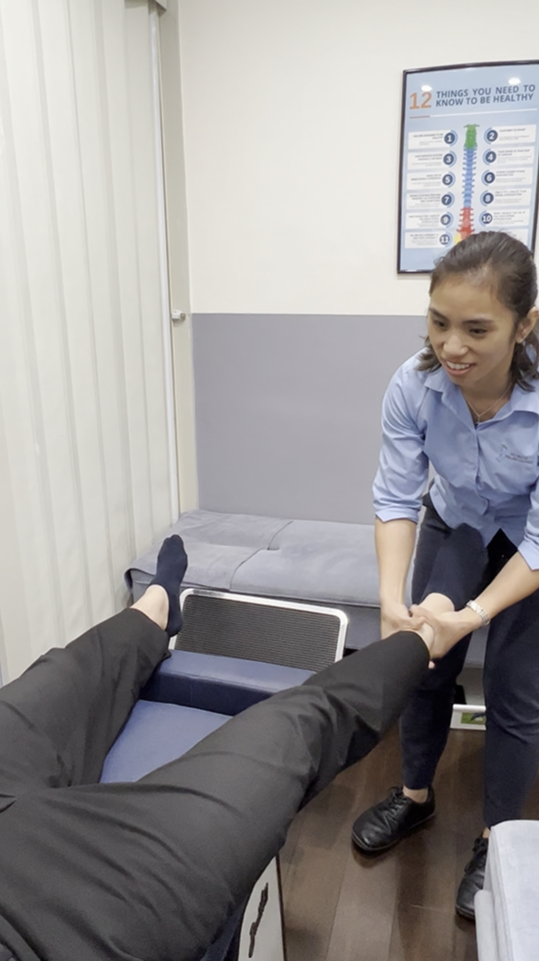
Can Chiropractic Help Osteoarthritis Pain?
Author: Dr. Paula Basilio (Chiropractor) B.Chiro.Sci (Macq), M.Chiro (Macq)
Welcome to My Back Relief Clinic! If you’re experiencing osteoarthritis or joint pain, we may be able to help. Our chiropractic care is tailored to improve joint function and alleviate pain. Let us assist you in managing your arthritis symptoms and enhancing your quality of life
- Rated 5/5
- 20+ Years Experience
- 2,000+ Patients Helped
- Dulwich Hill

What is Osteoarthritis
Arthritis also known as degenerative joint disease can often be a scary term for our patients often stirring images of deformed fingers and hoppling hip pain. The most commonly known arthritis, Osteoarthritis, is a natural process that happens in the body, causing wear and tear of joints.
This wear and tear can cause inflammation in the joints causing pain and stiffness. Many people worry about Osteoarthritis and joint pain.
How is Osteoarthritis Diagnosed
Generally a health practitioner can diagnose osteoarthritis through a thorough history and examination. X-rays are useful in determining how mild or how severe your arthritis may be.
Why Do People Get Osteoarthritis?
Although Osteoarthritis can be a natural part of aging, IDEALLY you should be developing arthritis equally throughout all Joints. This however is not the case and in our clinic, it’s not uncommon to see certain parts of patient’s bodies to be more worn and torn than others.
There are several reasons why patients may present with arthritis in certain joints but not others, here are some that we commonly see in our clinic:
- Previous injuries for e.g Car crash whiplash injuries can cause accelerated arthritis in the neck compared to the rest of the spine.
- Other reasons for arthritis may also be ineffective body mechanics. For e.g If an individual has joints that have decreased flexibility then, you tend to see those areas develop arthritis faster there compared to other joints.
- Another reason for arthritis is repetitive wear and tear. An example of this is a worker whose job involves repetitive lifting, may get arthritis in their big load bearing joints such as the knee, hips or low back.
- Prolonged pressure on joints over time For eg. Prolonged head flexion looking down at a laptop or smartphone may cause accelerated arthritis in the neck over other joints.
What Can I Do For Arthritis?
Due to the nature of these conditions, often the Arthritis cannot be stopped with physical modality treatments.
Thus, the aim of Chiropractic isn’t necessarily to reverse the Arthritis. The aim is often to improve function of the joints and in turn decrease pain levels and improve quality of life.
We are often still able to perform adjustments to affected joints; however we try to be as specific and as gentle as possible.
Arthritis and Joint Pain FAQs
For some people, yes. Many cases of jaw pain are mechanical, which means they come from how the jaw joint, its muscles and the neck are moving and working together. Chiropractors are university trained to assess and manage this kind of musculoskeletal pain. Not every jaw problem is mechanical, though. That’s why we start with a thorough assessment, and if your symptoms point to a dental or medical cause, we’ll refer you to the right practitioner.
Your first visit starts with a detailed history and examination of your jaw, neck and posture. Depending on what we find, care may include gentle mobilisation of the jaw, adjustments to the neck and upper back, soft tissue work on the jaw and neck muscles, and simple home exercises. We’ll also look at everyday habits that can load the jaw, such as clenching, chewing gum and desk posture. After your assessment, we’ll walk you through your findings and care plan in your Health Action Plan.
Often the best results come from both working together. A dentist can assess your teeth, bite and grinding, and may recommend a night splint. A chiropractor focuses on how the jaw joint, neck and posture are moving and contributing to the problem. At My Back Relief Clinic, we’re happy to co-manage your care with your dentist so you’re not stuck choosing between the two.
Yes, they can often contribute. The jaw and upper neck are closely linked through shared muscles and nerves. Forward head posture, which is common with long hours at a desk or on your phone, changes how the jaw sits and can increase tension in the surrounding muscles. This is also why some people develop jaw pain after a whiplash injury. Assessing the neck is a standard part of how we look at jaw pain.
Clicking usually comes from the small disc inside the joint not moving smoothly with the jawbone. Clicking on its own, without pain or restricted movement, is common and often isn’t a concern. If the clicking comes with pain, a jaw that catches or locks, or trouble opening your mouth fully, it’s worth getting assessed.
Yes, both are common contributors. Stress often shows up as jaw clenching or teeth grinding (bruxism), especially during sleep. That constant load can make the jaw muscles and joint sore and stiff. Managing jaw pain often means addressing these habits alongside treatment, and a dentist may also recommend a splint to protect your teeth at night.
Want extra information?
For extra information about osteoarthritis and joint pain, go to http://www.arthritisaustralia.com.au/
Chiropractor for Arthritis & Joint Pain
If you’re looking to see a chiropractor for arthritis, osteoarthritis and/or joint pain, feel free to contact our clinic today.