
Chiropractor for Scoliosis

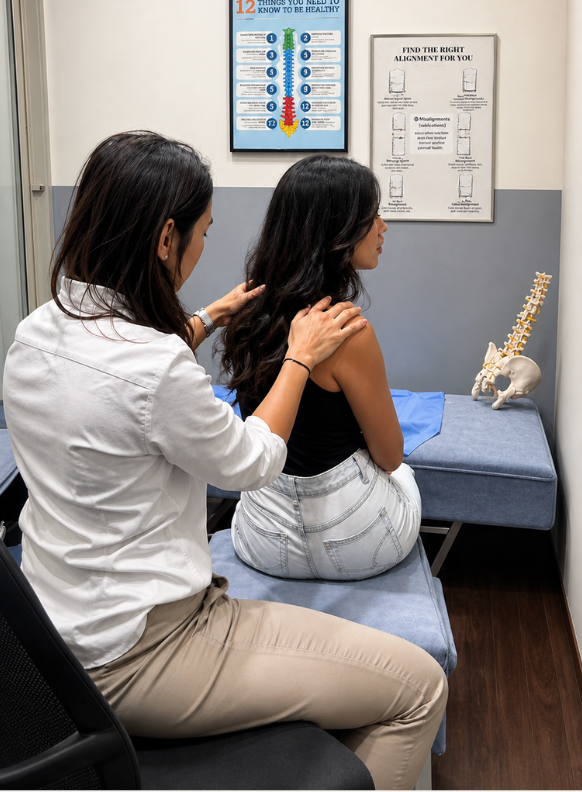
Chiropractors Can Help
Author: Dr. Paula Basilio (Chiropractor) B.Chiro.Sci (Macq), M.Chiro (Macq)
Welcome to My Back Relief Clinic! Thankfully, seeing a chiropractor may help in some cases of Scoliosis. Let us assist you in managing your symptoms and enhancing your quality of life.
- Rated 5/5
- 20+ Years Experience
- 2,000+ Patients Helped
- Dulwich Hill
Can a Chiropractor Help With Scoliosis?
Chiropractic care for scoliosis focuses on relieving pain and stiffness, improving mobility, strength, and posture, and monitoring spinal curvature over time. Treatment may include chiropractic adjustments, mobilisation, rehabilitation exercises, and lifestyle advice. For children and teenagers, regular monitoring is important because the curve may worsen during growth. If scoliosis is severe or progressing, referral to a scoliosis specialist may be necessary for further treatment, such as bracing or surgery.
What Is Scoliosis?
Scoliosis is a sideways curve of the spine, often with some rotation. Instead of
running straight down the back, the spine forms a “C” or “S” shape when viewed
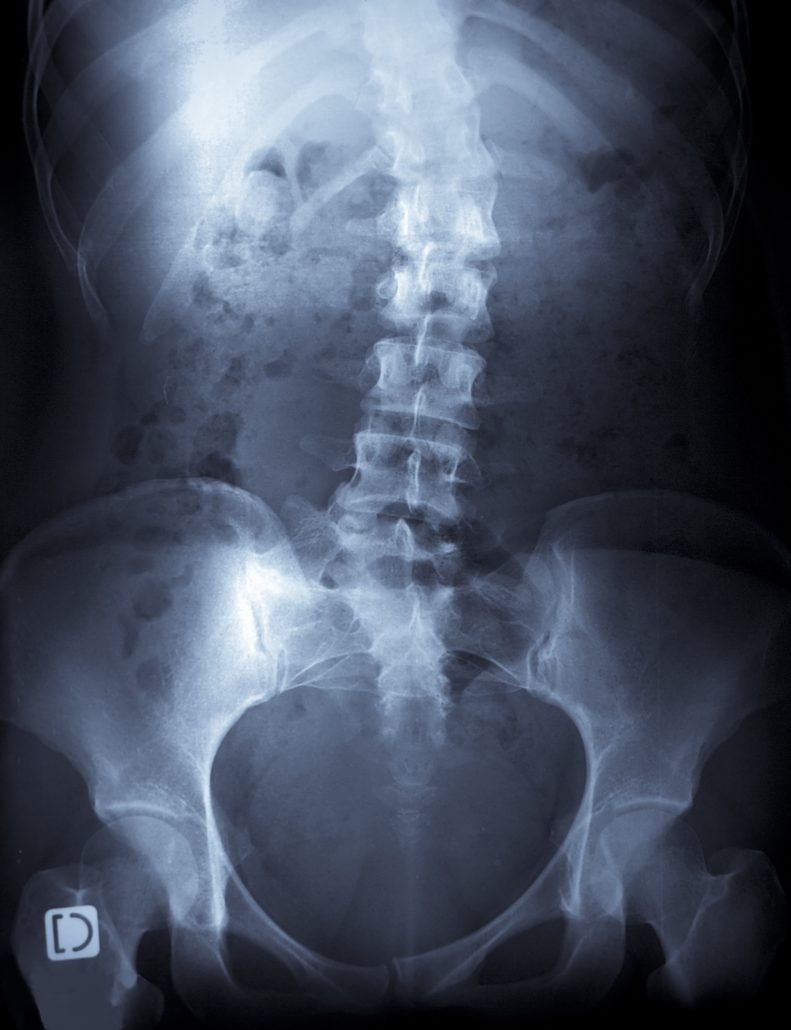
from behind. A curve of 10 degrees or more on X-ray is generally classed as
scoliosis.
There are a few main types:
- Idiopathic scoliosis: the most common type, with no single known cause. It
often appears during growth spurts in late childhood or the teenage years, can
run in families, and is more likely to progress in girls. - Degenerative (adult-onset) scoliosis: Develops later in life when the discs
and joints of the spine wear over time. This wear can be uneven due to many
factors, including long-term posture habits, previous injuries, or a mild curve
from childhood that was never picked up. - Functional scoliosis: The spine itself is structurally normal, but a curve
appears as the body compensates for something else, such as muscle
imbalance, pelvic tilt or a painful muscle spasm. It often improves once the
underlying cause is addressed. - Congenital or neuromuscular scoliosis: present from birth or linked to
another medical condition. These are less common.
What Are the Signs of Scoliosis?
- One shoulder sitting higher than the other.
- A shoulder blade that sticks out more on one side.
- Uneven waistline or hips.
- The body leaning to one side.
- A rib or back hump that shows when bending forward.
- Clothes hanging unevenly.
- In adults: back pain, stiffness or fatigue, sometimes with leg pain.
How Is Scoliosis Diagnosed?
Your chiropractor will take a detailed history and do a thorough physical examination,
including posture assessment and a forward-bending test. If scoliosis is suspected,
X-rays are used to confirm it and measure the size of the curve (the Cobb angle).
We can take X-rays on-site if needed.
Measuring the curve is important. It tells us how significant it is and gives us a
baseline to monitor change over time.
Chiropractic and Scoliosis
- Chiropractic adjustments and mobilisation to ease stiffness and discomfort.
- Rehab exercises to improve strength, balance and posture.
- Advice on sitting, sleeping, lifting and activity.
- Regular monitoring, including progress posture photos and repeat X-rays
when appropriate.
For children and teenagers who are still growing, regular monitoring is especially important. If a curve is significant or progressing, we’ll refer you to your GP or a scoliosis specialist for further assessment, which may include bracing or a surgical opinion, and we’re happy to work alongside them.
Scoliosis FAQs
Quite a lot. The right approach depends on your age, the type of curve and how big it
is. For many people, care focuses on reducing pain and stiffness, building strength
and mobility, and monitoring the curve over time. For children and teens who are still
growing, early detection matters, because it allows options like bracing to be considered if a curve starts to progress. Larger curves may need a specialist opinion,
and we’ll guide you through that if it’s ever needed.
It can, especially during growth spurts in children and teens. In adults, curves usually
change slowly, if at all, though some progress with age. That’s why regular
monitoring matters.
Idiopathic scoliosis most often shows up between about 10 and 15 years old. If you
notice uneven shoulders, hips or a hump when your child bends forward, book an
assessment. Early detection gives you more options.
Yes. Most people with scoliosis can, and should, stay active. In fact, many elite
athletes, including Olympic sprinters and swimmers, compete at the highest level
with scoliosis. Swimming, walking, Pilates and strength training are often well suited,
and your chiropractor can tailor exercises to your curve.
A heavy or one-sided bag won’t cause structural scoliosis. However, regularly
carrying a bag on one shoulder can make the body lean to one side and contribute to
muscle imbalance, uneven posture and back or neck pain. Over time, this can
sometimes lead to a functional scoliosis, a curve caused by muscle imbalance rather
than a change in the spine itself, which often improves once the cause is addressed.
If you notice your child’s shoulders or hips look uneven even without the bag, book a
check.
If scoliosis comes with significant pain at night, unexplained weight loss, fever, or
new numbness, weakness, or bladder or bowel changes, see your GP or go to an
emergency department promptly.
Chiropractor for Scoliosis in Dulwich Hill
If you or your child has scoliosis or you’ve noticed changes in posture, get in
touch with our clinic today.