
Chiropractor for Jaw Pain (TMJ Pain)

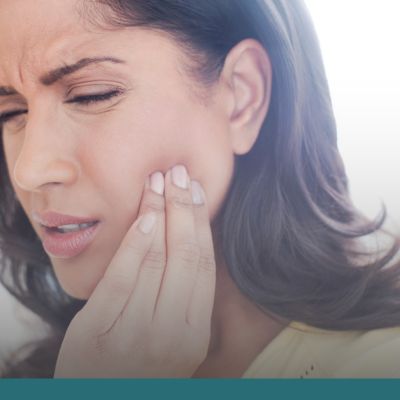
Dulwich Hill Chiropractor for Jaw Pain
Author: Dr. Paula Basilio (Chiropractor) B.Chiro.Sci (Macq), M.Chiro (Macq)
Welcome to My Back Relief Clinic! Find out more about TMJ jaw pain on this page and how chiropractic may help some kinds of TMJ pain. If you’re looking for a TMJ Chiropractor, we may be able to help.
- Rated 5/5
- 20+ Years Experience
- 2,000+ Patients Helped
- Dulwich Hill

What is the TMJ?
It’s a hard word to pronounce – the temporomandibular (tem-puh-roe-man-DIB-u-lur) joint – also known as the TMJ, and it’s certainly not much fun to experience TMJ pain. While many people experience jaw pain, up to 16% of the population, it is often a very overlooked body part when assessing the body.
The TMJ acts like a sliding hinge, connecting your skull with your jawbone. You have a TMJ/joint on each side of your jaw. It is one of the most used joints in your body and is involved in eat, chewing, talking, breathing and even in expressing our emotions.
TMJ disorders — a type of temporomandibular disorder or TMD — can cause pain in your jaw joint, in the muscles that control jaw movement and surrounding areas.
Symptoms of Jaw problems
Jaw pain can present in many ways. This may include;
- Headaches (even migraine type headaches)
- Clicking in the jaw
- Locked jaw
- Decrease motion
- May feel like tooth pain or an ear ache
These symptoms often can effect general eating, talking, and the amount of stress in your day. Unfortunately a great portion of the brains is dedicated to the jaw. That means when it hurts, it usually hurts more than most other joints! Feel free to ask me about symptoms of jaw pain and how I may help.
Causes of TMJ Pain
TMJ pain often arises from an issue in the function of the joint. You see, the temporomandibular joint acts like a hinge and moves with a sliding motion. Like any body part (or even machinery for that matter), the more moving parts you have, the more likely something is to go wrong. If one part stops working, that may lead to other parts not working as well.
In terms of your jaw anatomy, the parts of the bones that interact in the joint are covered with cartilage and are separated by a small shock-absorbing disc, which normally keeps jaw movement smooth.
Painful TMJ disorders can occur if:
- The disc is damaged or is misaligned
- The joint’s cartilage is damaged by arthritis
- The joint is damaged by injury or other impact
Other causes may include:
- Posture problems (neck, head)
- Myofascial pain
- Teeth grinding
- Occlusal Problems: Poor bite, asymmetrical or retrognathic (underbite, overbite), which is why chiropractors sometimes work with dentists.
In many cases, however, the cause of TMJ pain may not be clear.
Jaw Pain and Chiropractic
What a lot of people don’t realise is that the jaw is closely linked to the posture of your neck. That is why a great portion of people suffering from neck whiplash injuries can develop jaw pain too. If you experience forward head posture, that may lead to a tightening of muscles in your neck which may, in term, misalign your TMJ or surrounding tissue.
Chiropractors have university training in treating biomechanical jaw pain. Combined treatment and rehabilitation of both the neck and jaw can have had success in treating jaw pain. Chiropractors are also trained in assessing posture to determine if bad postures are contributing to pains elsewhere in your body.
TMJ Pain FAQs
Yes, Chiropractic adjustments are safe for arthritis provided a patient has undergone a thorough examination and assessment to determine which joints are safe to adjust.
Chiropractic adjustments can be also downgraded to mobilisations depending on the patient’s tolerance to encourage healthy movement of the arthritic joints.
Chiropractor for Jaw Pain
At My Back Relief Clinic, we believe in closely co-managing with your dentist to assist you with any jaw problems you may have. If you’re looking for advice from a Sydney chiropractor with years of experience diagnosing and treating jaw pain, feel free to contact our clinic today.
Further information
You can find out more about joint dysfunction here: https://www.healthdirect.gov.au/temporomandibular-joint-dysfunction